


TL;DR (Executive Summary):
In this post, I reflect on a moment from Simon Sinek’s A Bit of Optimism podcast with etiquette expert William Hanson. Hanson observes how we often derail meaningful connection by trying to match or top someone else’s vulnerable story instead of asking follow-up questions. Drawing from my own experiences as a chaplain and insights from Ellen Corcella’s Walk With Me, I explore why this impulse can be disconnecting—or even retraumatizing—and how asking a simple, respectful follow-up question can deepen empathy, connection, and healing.
Recently I was listening to an episode of Simon Sinek’s podcast A Bit of Optimism in which he talked with etiquette coach William Hanson about good manners, especially in business. What caught my attention was a clip shared in the opening from later in the episode in which Hanson talked about the tendency in social circles that when someone shares a painful or embarrassing story—such as an accident or dangerous experience—most people tend to respond by sharing their own similar story, feeling the need to up the ante. Before long, things feel like a middle school church camp, with everyone sharing their own sob story, but no one having their feelings validated or honored.
“Most people seem to listen to that and will be thinking, ‘What story do I have about an accident I’ve had on holiday?’ rather than, ‘Let me ask you a follow-up question.’ Let you have that moment,” Hanson observed. He called this bad manners. As I thought about it, I’d go a step further and call it both traumatizing and disconnecting.
Maybe I’m thinking about this because I’m in the midst of reading Ellen Corcella’s book Walk With Me: A Journey Through the Landscape of Trauma, where she talks about her own experiences with trauma in her personal life, then being on the other side of trauma as a hospital chaplain. Hanson’s point about listening to someone’s story and then asking a follow-up question struck me as foundational to what chaplains do. Ellen shares in the book her own discomfort and uneasiness initially doing this. Corcella writes, “Learning to be vulnerable amid suffering is a process requiring an internal excavation of the soul that frees us to be the empathic creatures God made us to be” (74). For sure, the much easier thing to do is to run away—or perhaps, as Hanson described, share one’s own similar story. Corcella admits that simply showing up in the presence of someone who is dying required more courage than some of the most intense professional challenges she’d ever faced (78).
But the point Hanson makes, and I think it is very wise, is that while in sharing our own stories we often think we’re building greater connections with the other person—which we do want—we’re actually doing the opposite: fueling disconnection. “People are obsessed with trying to match or beat the story, and it becomes competitive… because we have become so insecure,” Hanson explained.
More than that, I think when we start sharing our own horror stories—especially without fully hearing or honoring the other’s story—we risk something worse. We can leave everyone feeling more disconnected or disintegrated. Hearing and honoring the painful story of another is as simple as, Hanson suggests, “asking a follow-up question… even if you’ve got a client. The client’s not massively that fussed about what you did at the weekend. But the client would love to talk about what they did.”
For instance, I was at church this morning, having coffee at a table with some other parents. When I mentioned which hospital my wife worked at, another parent shared how she had been there last fall after tripping and hitting her head on a table—an injury requiring four staples! Rather than pivot and share my own gross injury story or another I’d seen during my time as a hospital chaplain, I phrased my response in a way that invited further explanation from her, saying, “Oh wow, that sounds pretty painful…” and then I let her talk more. I’d like to think it provided a more meaningful connection than had I simply shared a gross head injury story of my own.
Another example from this morning and why I’m writing this: I asked another person at the table, a dad, about a recent injury of his own. He shared, then I asked a follow-up. As the conversation progressed, he asked me a meaningful question about my own life circumstances. I’d like to think, rather than simply swapping “war stories,” we were able to connect in a meaningful way.
Simon Sinek echoed this shift from self-centered storytelling to curiosity: “I’ve learned… be the journalist. Be curious… Put the spotlight on them and their story for a while.” Since he began asking follow-ups instead of reciprocating stories, Sinek said, “They say, ‘I’ve been talking about myself for far too long. Tell me about you.’ And now they want to know about me rather than me trying to tell them about me.”
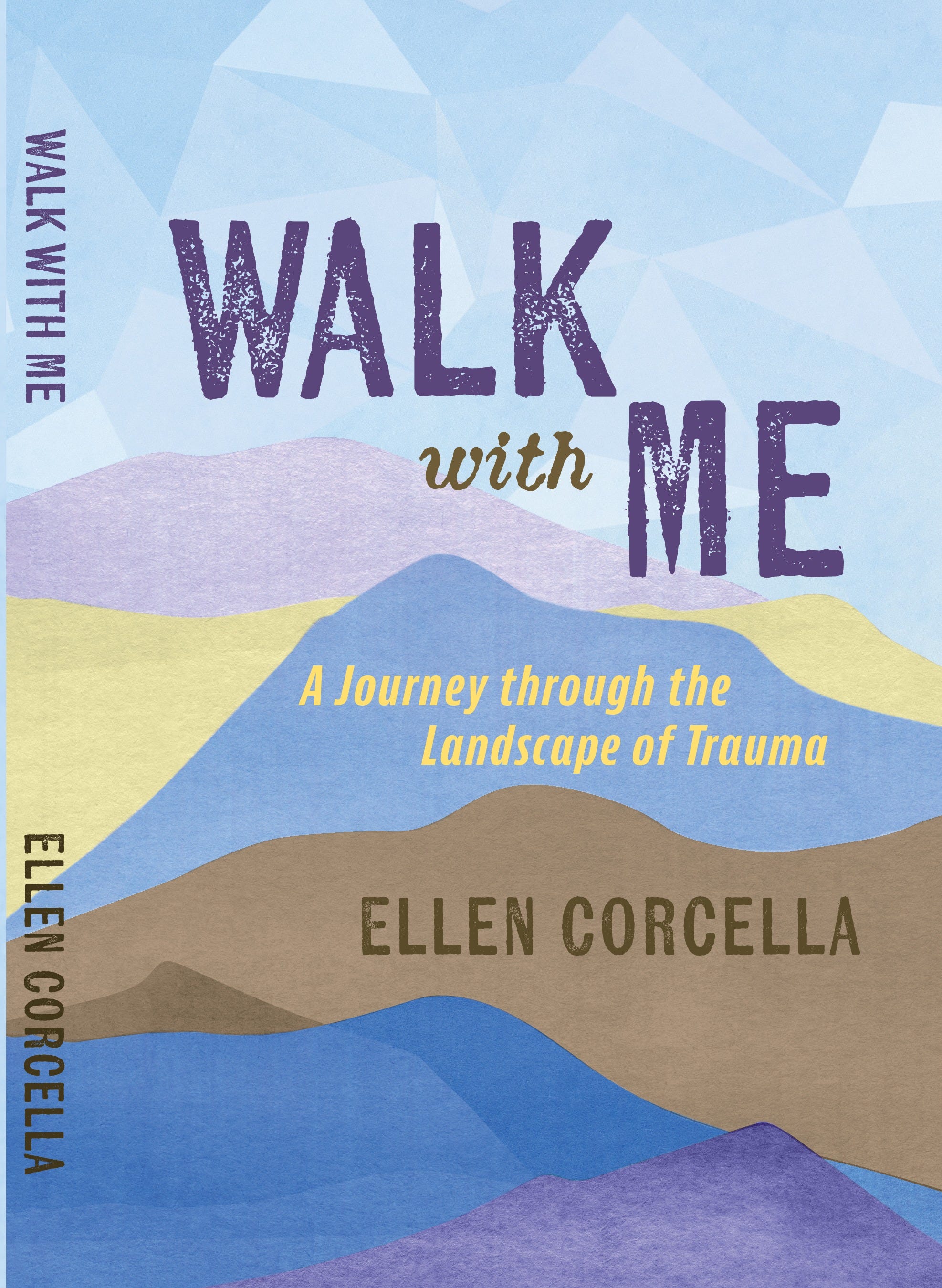
But I think it all goes back to Corcella’s point—and what is so integral about chaplaincy and simply being present and caring for another person—the strength and willingness to be vulnerable with another. When we immediately launch into our own injury story, we’re basically signaling that we can’t handle their story—that they can’t be vulnerable with us; that we’re not a safe person to share important details with.
I find Hanson’s advice so simple yet profound: ask a reasonable and respectful follow-up question, even if it’s as simple as a phrase like, “Oh my goodness, that must have been awful.” Then give them a chance to share more. More than simply being good manners, as Hanson says, I think you’re honoring the personhood of the other, facilitating deeper connection, and maybe even helping to heal their woundedness.
Thank you for this.
I often work with pastors who think they have no marketable skills outside the church.
This is one that lots of us *do* have (though of course not all...).
and it is so valuable