


Faith, Politics, and the Church: Bridging Divides in Polarized Times
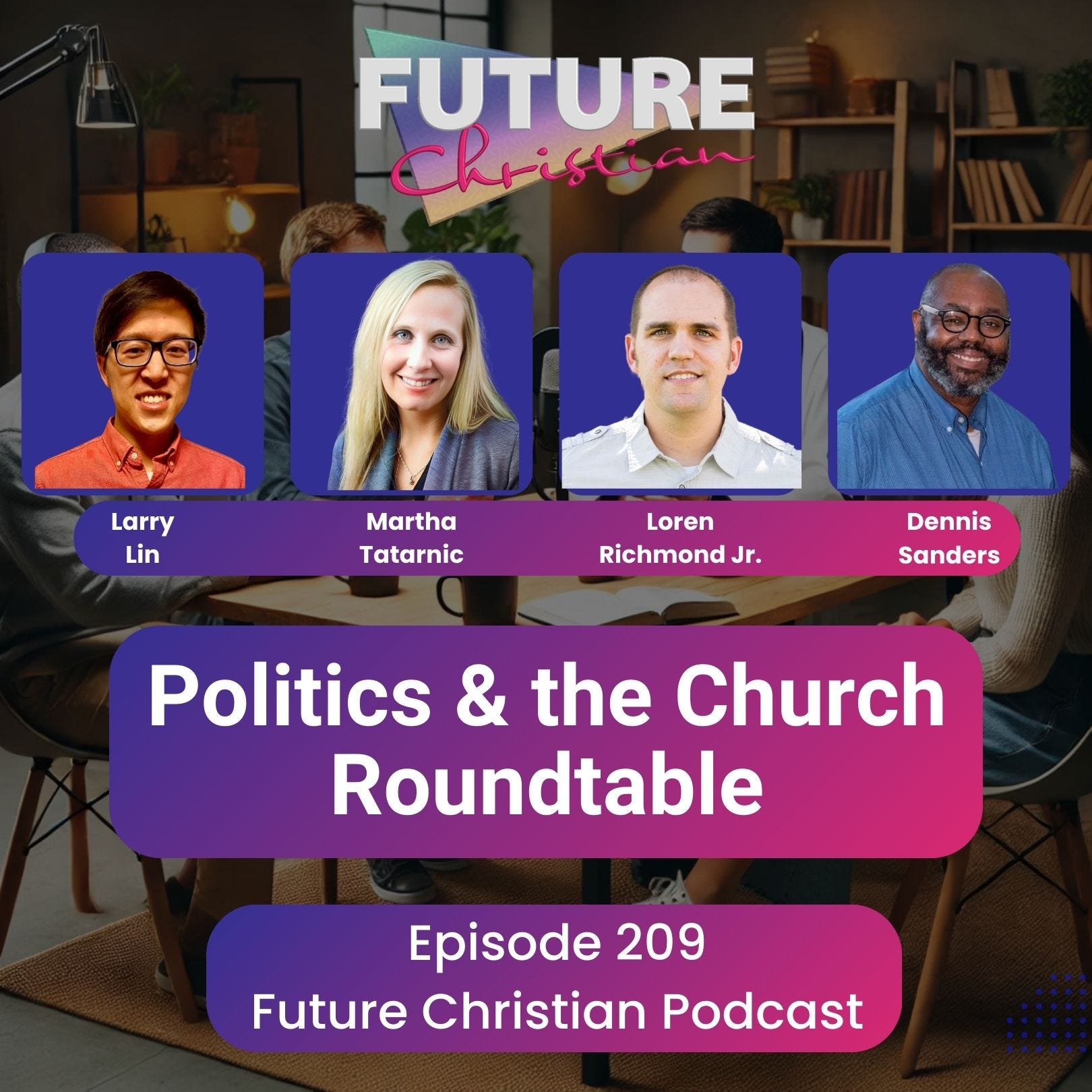
In an era of deep political polarization, the question arises: What role should the church play in fostering unity and addressing societal challenges? This thought-provoking episode of the Future Christian Podcast tackles this question head-on with a roundtable discussion hosted by Martha Tatarnic, featuring panelists Loren Richmond Jr., Larry Lin, and Dennis Sanders. Together, they delve into the intersection of faith and politics, offering insights and practical wisdom for churches navigating this contentious landscape.
The Christian Response to Polarization
The conversation begins by acknowledging the reality of a divided society and the ways polarization impacts church communities. Each panelist reflects on their unique context, offering perspectives from urban, suburban, and diverse denominational backgrounds. A recurring theme is the importance of resisting the temptation to disengage. As Larry Lin points out, “We are called to be set apart, not cut off.” The church, they argue, has a unique opportunity to model Christ-like love by fostering dialogue and connection across ideological divides.
Listening and Discernment
A key takeaway from the discussion is the power of listening and prayerful discernment. Dennis Sanders emphasizes the importance of creating spaces for honest conversations, particularly with those who hold differing views. He challenges listeners to approach political dialogue with curiosity and compassion, rather than judgment or assumptions.
Martha Tatarnic underscores this by highlighting the role of the church as an embodied space where people can engage with one another in ways that transcend the limitations of social media. The panelists agree that fostering these spaces is critical for building trust and understanding in a divided world.
Offering a Compelling Vision
Loren Richmond Jr. shifts the focus to the power of narrative, urging the church to articulate a compelling vision rooted in the gospel. “Instead of just opposing the other side, we need to offer a better way of living—a vision that inspires hope and draws people in,” he says. This vision, he argues, should address the real struggles people face, from economic uncertainty to feelings of alienation, while pointing to the transformative power of the gospel.
Addressing Systemic Issues
The panel also explores the church’s responsibility to advocate for marginalized communities. From immigration to economic inequality, they discuss how Christians can engage in systemic issues with wisdom and compassion. They acknowledge the complexities and nuances of these challenges, emphasizing the need for prayerful discernment and a commitment to justice.
Moving Forward with Hope
As the discussion concludes, the panelists share their hopes for the church’s role in the coming years. They envision a church that resists polarization by creating spaces of connection, offering a compelling gospel-centered vision, and standing in solidarity with the marginalized.
This episode is a powerful reminder that the church has a critical role to play in bridging divides, modeling love, and offering hope in polarized times. It challenges listeners to step into the tension with courage, humility, and a commitment to Christ-like witness.