


TL;DR:
Part 2 continues the thought experiment: if current church trends flipped over the next decade, what would emerge? By pushing imagination and watching for early signals, this post explores ten more plausible shifts shaping the future of the church.
Ten More Ways Church Will Be Different in Ten Years (Part 2)
In a previous post, I explored ten ways the church might look different a decade from now—some subtle, some disruptive, all grounded in trends already underway.
Ten ways church will be different in ten years.

TL;DR: Using a futures-thinking exercise, I sketch ten ways church might look very different in the next decade—from fewer buildings and more volunteer pastors to VR worship and shifting institutions.
But the exercise stuck with me.
What if we kept going?
What if, instead of stopping at ten, we kept pushing our imagination—not to predict the future with certainty, but to notice where things are already shifting?
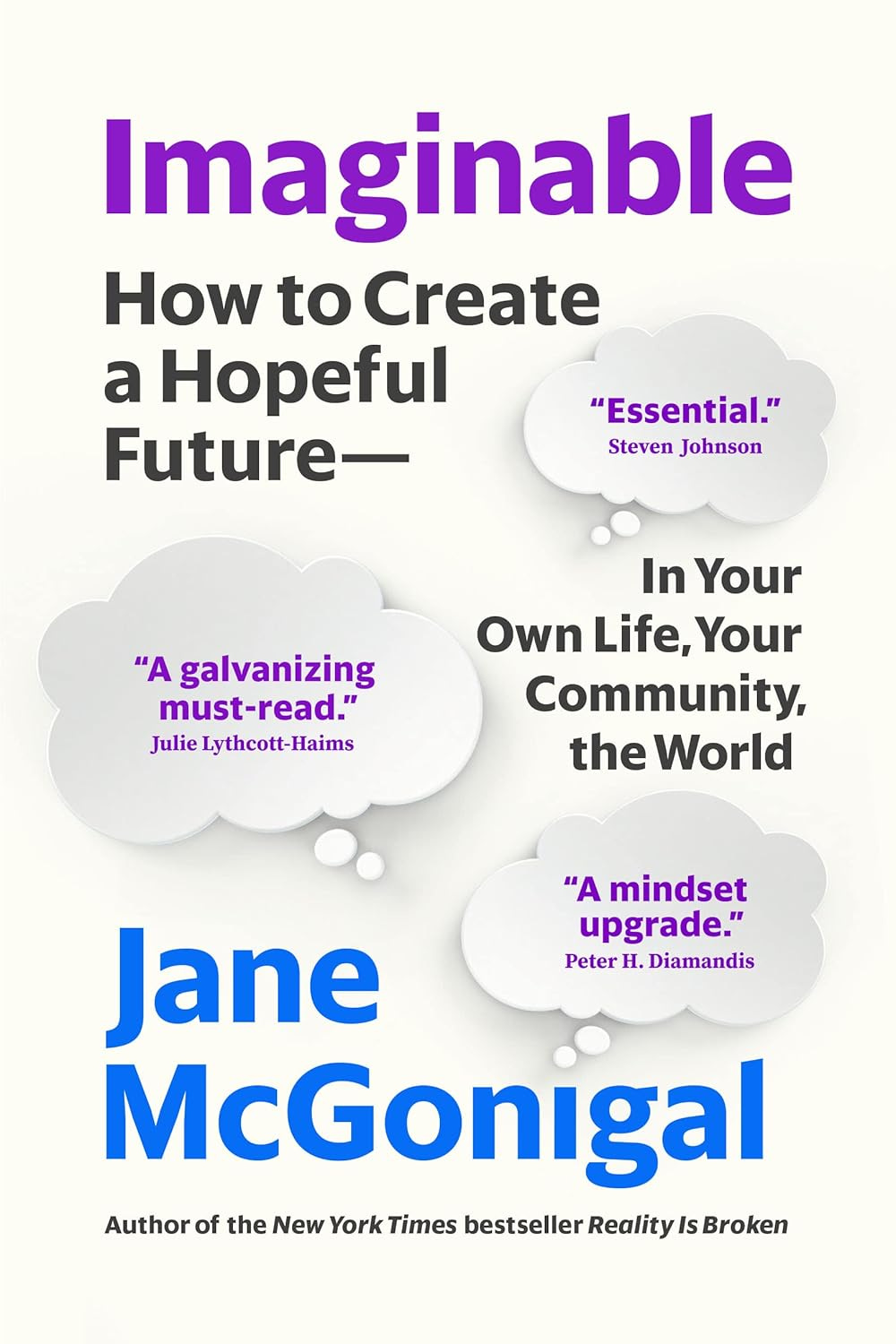
I’ve been reading Imaginable: How to Create a Hopeful Future by Jane McGonigal, which invites this kind of thinking. She suggests a simple but powerful exercise:
“First, you pick a topic… Then you list one hundred things that are true about it today… Next, you rewrite each fact so that ten years from now the opposite is true, no matter how ridiculous the new ideas sound. Finally, you look for clues, or evidence of change already happening today, that these ideas are plausible and realistic” (88).
So I’m continuing the experiment.
Again, I’m skipping the full “list what’s true today” step and jumping straight to reimagining what might be different—and looking for early signs that these shifts are already happening.
Here are ten more.
10 More Ideas for the Future of the Church
1. Denominations as Certifying Bodies
Denominations move away from managing buildings, staffing, and institutional overhead, and function more like professional certifying boards—similar to the Association for Clinical Pastoral Education. There are already early signs of this (e.g., Wild Fig Network, Curian Network). Ideally, this allows for provisional status with pathways toward higher levels of recognition. Many denominations already have this in theory—they just tend to push everyone toward full ordination.
2. Denominational Identity Without Denominational Control
Relatedly, denominational structures may loosen significantly. A pastor might be ordained or commissioned by a denomination (e.g., Disciples of Christ), but serve in a church that is effectively non-denominational or simply rooted in a broader theological tradition—Reformed, Anglican, Baptist, Wesleyan, Restorationist—without strict institutional ties.
3. Denominations as Consulting Networks
Denominations or regional bodies (judicatories) increasingly function as consulting networks—offering services like staffing, coaching, conflict mediation, and strategic planning on a fee-for-service basis. In many ways, this formalizes what they already do.
4. Churches as Mission-Driven Community Hubs
Churches that retain buildings will increasingly function like community hubs—housing businesses, nonprofits, and community groups. But the key distinction remains: to be a church, not just a community center. Every use of space is tied to mission and formation, not just revenue. In the Denver metro, some churches are already buying the shopping centers they once rented in and intentionally curating mission-aligned tenants.
5. More Creative Legal Structures
Churches will utilize a wider range of legal and financial structures beyond the traditional 501(c)(3). Some already create separate nonprofits to manage property. Others may form LLCs (with profits flowing back into the nonprofit). The Mosaic Church in Arkansas is one example of creative structuring. Expect more experimentation here.
6. Itinerant and Circuit-Riding Leadership
The return of itinerant preaching. In many ways, the post-war model of a single, full-time pastor at a single church was the exception, not the rule. Earlier models—like Methodist circuit riders—may re-emerge. In fact, some global contexts already operate this way, suggesting this may be less innovation and more retrieval.
7. Worship Isn’t Every Sunday
The expectation of weekly Sunday worship may loosen. Churches may gather less frequently but more intentionally, or diversify when and how they gather.
8. Pop-Up and Mobile Church Models
Building on existing mobile church models, we may see more “pop-up” expressions—churches that function like food trucks. A van or trailer arrives, sets up, gathers, and moves on. Lightweight, flexible, and adaptable to context.
9. Staff as Volunteer Mobilizers
Paid staff increasingly function as equippers and coordinators rather than primary doers. Churches already struggle with overextended staff; the future will require better systems for mobilizing volunteers effectively and setting them up for immediate impact.
10. A Return to Tradition (Not Generic Worship)
Churches will lean more deeply into their theological and liturgical traditions. If you’re Anglican, be Anglican. If you’re Methodist, be Methodist. The era of vague, blended non-denominational identity may give way to clearer, rooted expressions. Likewise, some mainline churches may move beyond overly generalized or flattened expressions of worship and reclaim distinctiveness.
I don’t know that all of these will happen.
Some of them probably won’t. But enough of them feel plausible—and in some cases already visible—that they’re worth paying attention to.
This is the kind of thing I think about a lot: where the church is headed, what’s already changing beneath the surface, and how we might respond before those changes fully arrive. If that’s interesting to you, feel free to follow along—I’ll be exploring more of these ideas in future posts.
Let me know what you think.
What feels plausible? What feels ridiculous? What do you think is certainly coming?
I see a lot of these already happening. I'm looking forward to more them becoming the case. I'm working towards several :)
Um have you hacked my email?! For realzies let's schedule our ss meet up!!