


TL;DR:
In an age where charisma often outweighs character, I argue that pastors—not influencers or viral personalities—should be the leading voices of Christianity. Drawing on Tim Keller’s example, insights from Skills for Safeguarding, and my own concerns about the cult of personality in the church, I call us back to trusting the steady, faithful work of pastors.
Pastors are my heroes—the quiet, faithful, unassuming pastors who do the steady work of pastoral care, community outreach, worship planning, preaching, and everything in between. Maybe it’s because I have found myself so lacking when it comes to serving as a pastor myself, but I can’t help but admire their steady faithfulness. Every Sunday, I have a list of pastors that I pray for, and I’m so thankful for the pastoral friendships I have.
I was listening recently to an interview with Matt Smethurst, a pastor and biographer of the late Tim Keller. Smethurst described Keller’s unique style of ministry—first in rural Virginia, then later in New York City. In Virginia, only two people in Keller’s congregation had college degrees. What gave him credibility there was his pastoral care. Years later, in New York City, what opened doors for pastoral care was his intellectually rigorous preaching. In both contexts, Keller built trust by offering what his people most needed.
As much as I disagreed with Keller on many theological points, I’m repeatedly struck by his wisdom, humility, and curiosity. His biographer noted that Keller regularly turned down major speaking opportunities out of fear of how platforming might change him. Instead of chasing influence, he chose to remain close to his family and congregation—and he made time for local pastors who needed support. That posture feels almost out of style today.
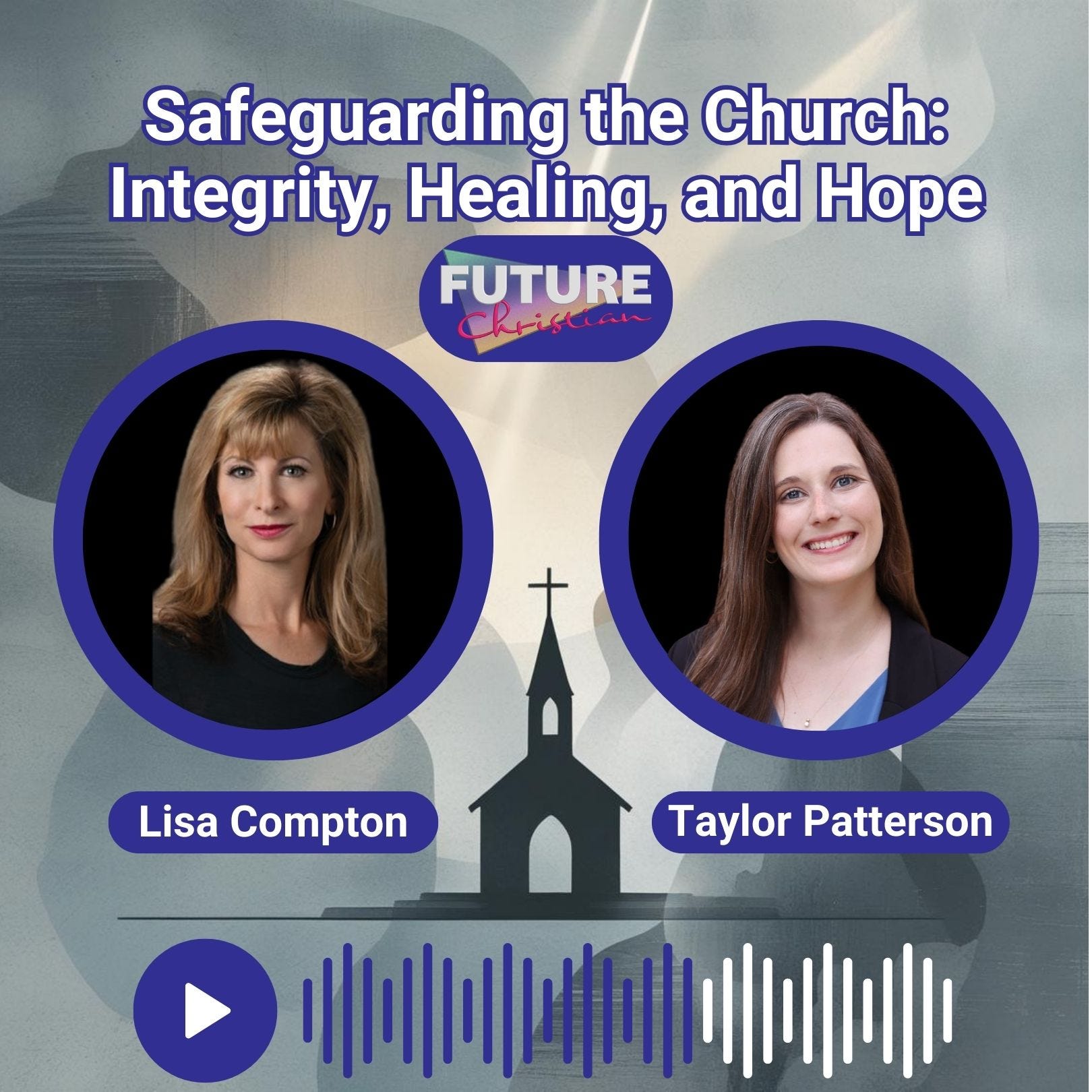
Maybe that’s why I find Keller, and pastors like him, so compelling. They stand in sharp contrast to what’s being platformed across American Christianity—and American culture more broadly—the cult of personality. I just finished the novel Search, which chronicles a pastoral search committee enamored by a charismatic but unqualified candidate. And in a recent podcast interview I recorded with Dr. Lisa Compton and Taylor Patterson, co-editors of Skills for Safeguarding, they emphasized how charisma so often eclipses character in church leadership—with devastating consequences.
Dr. Compton put it bluntly: “Religion is a business, and leaders who are charismatic motivational speakers…are beneficial for increasing the bottom line. And so that’s where there’s a conflict between character and charisma.” Patterson added, “We can really buy into the mantra that the ends justify the means… But Scripture never claims efficiency is the thing we should pursue at any cost. Integrity is proven over time.”
And this is where I have to be candid. I find it troubling that Tim Whitaker of The New Evangelicals continues to be given platforms by prominent individuals and organizations. It wasn’t surprising to see Tripp Fuller bring him on board, but it was disappointing. There are already serious concerns in the public record about Whitaker’s behavior. But even setting those aside, the more fundamental question is this: what credibility does he bring beyond being charismatic and going viral online?
Compton and Patterson warn that these are exactly the kinds of leaders churches should avoid. And yet, even within progressive Christianity, there’s a drift toward elevating charisma over the tested, long-earned credibility of character.
I’ll say it plainly: I believe pastors—not charismatic personalities, not podcasters like me, and not even academics—should be the leading voices of Christianity today. Pastors are the ones in the trenches, making space for real diversity within their communities, and walking with people in all their complexity. They are not building echo chambers or chasing algorithms. They are doing the steady, faithful, often overlooked work of shepherding God’s people.
This is not the first time I’ve written about the dangers of platforming charisma over character. In previous posts (linked below), I’ve reflected on how systems, governance, and integrity—the “boring stuff”—are often the most important things in church life. I’ve also explored how guilt, grace, and accountability shape healthier communities. This piece sits in that larger conversation. My hope is simple: that we would learn to resist the cult of personality and once again trust the steady, faithful work of pastors to guide the church into its future.
Why Pastors, Not Academics, Should Be Our Primary Theological Voices

If the church wants to find its theological voice for today, we should be looking less to academic departments and more to local pastors.
The Church Doesn’t Need More Influencers—It Needs Faithful Leaders

“One of the most effective ways a church can prevent spiritual abuse is by seeking leaders with integrity over talent, character over charisma, and maturity over verbal eloquence.”
TACO’d Again: Trump and the Myth of the Strongman

TL;DR Trump (and leaders like him) thrive on swagger and false promises, looking like saviors from afar but leaving wreckage up close. Don’t waste energy on die-hards—protect the vulnerable, know your worth, and be ready to pick up the pieces. And when some finally see the truth, meet them with grace, not ridicule.
Wrestling with Legacies: When Christian Leaders Leave Both Healing and Harm

What do we do with Christian leaders who change lives for the better—and also cause deep harm? In light of John MacArthur’s passing and Bishop Mariann Budde’s reflections in How We Learn to Be Brave, I wrestle with the tension between impact and imperfection, grace and accountability.
This article reflects the distinction between doing our best for our Lord’s sake and performing our best for popular approval, which can lure us into confusing the two. We may not recognize the difference ourselves, but our people sense it.