


If you’re new here, this is a good place to start.
If you’re new here, welcome. Let me offer a brief orientation.
This Substack exists because I’ve become convinced that the deepest challenges facing the church aren’t primarily financial or cultural, but conceptual.
We’ve lost clarity about what the church is for and how formation actually happens.
I write here to think that through—out loud and in public.
Why I Write This Way
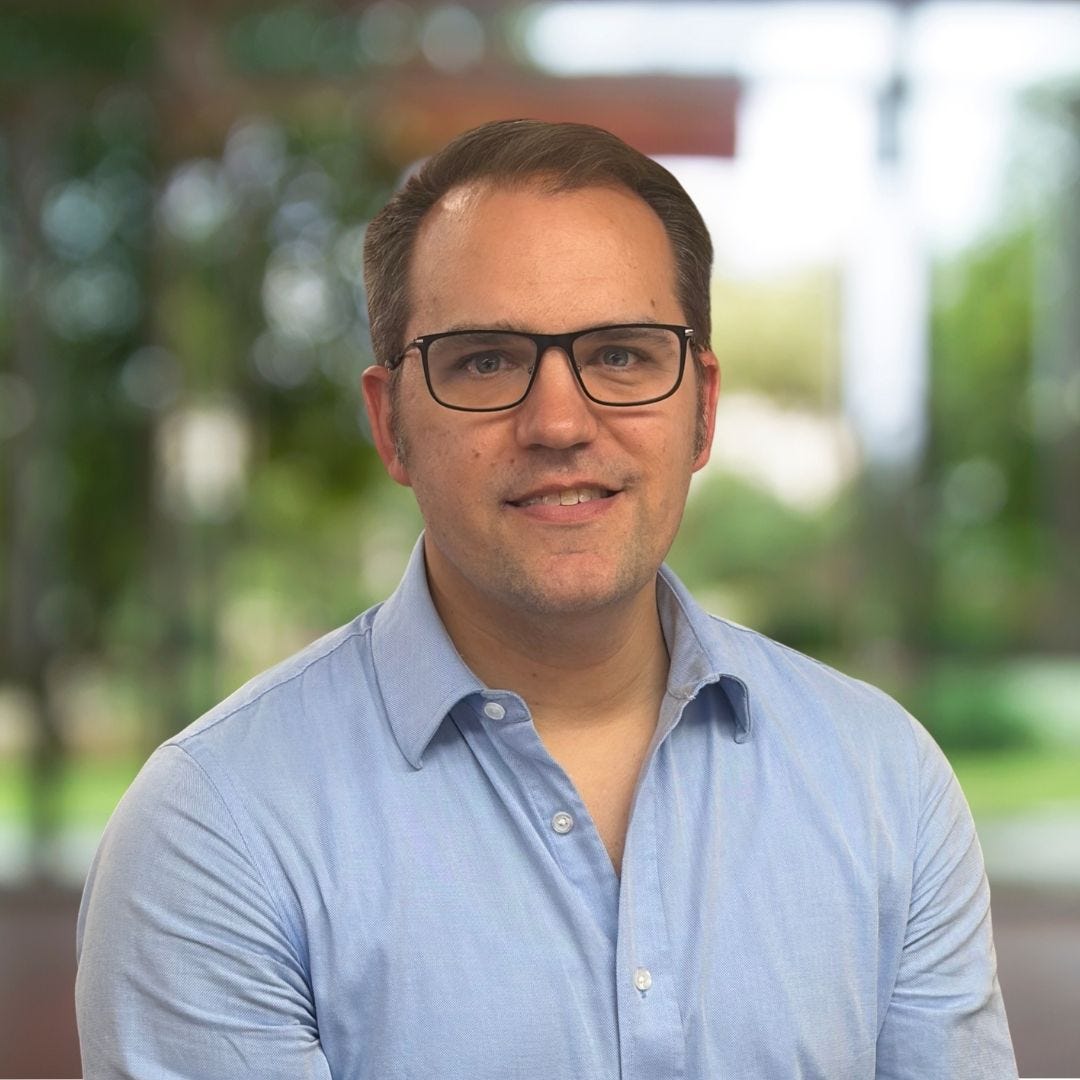
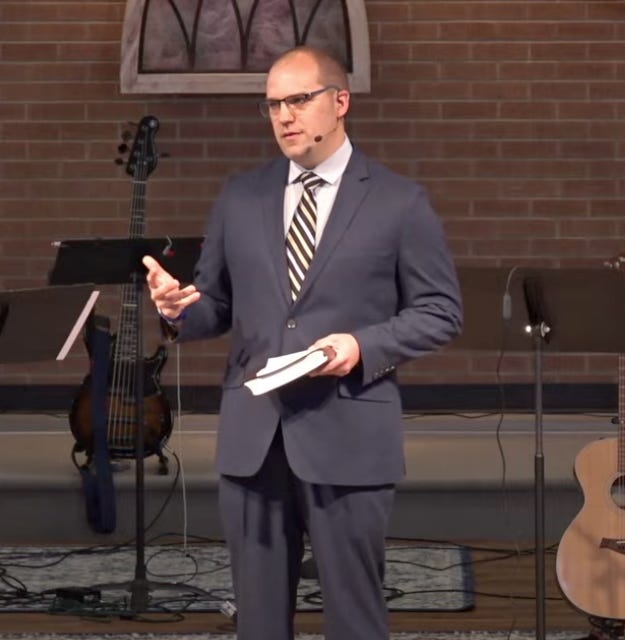
I’m a pastor, consultant, and the host of the Future Christian Podcast. I’ve spent years inside churches and nonprofits—some healthy, some struggling, some quietly unraveling.
I also helped plant a church that ultimately didn’t last.
That experience, along with others, taught me something I didn’t learn in textbooks or conferences: passion is not enough. Churches don’t collapse only because of a lack of faith or commitment. More often, they collapse because of stuck thinking, borrowed assumptions, thin theology, or systems that quietly exhaust the people they’re meant to support.
This Substack is where I try to slow down and think carefully about those dynamics—without hype, panic, or nostalgia.
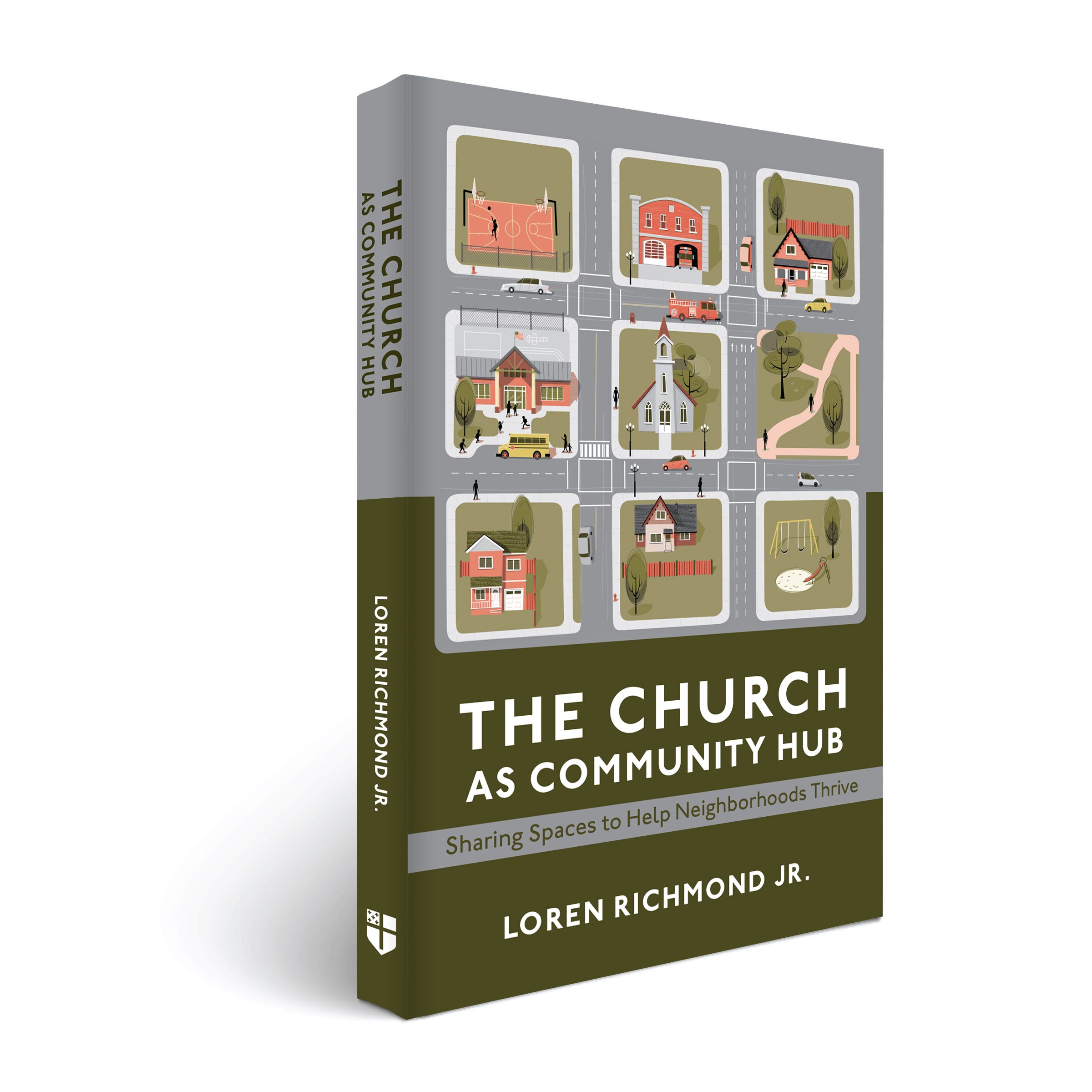
Speaking of Writing! My new book, Church as Community Hub from Church Publishing is available for pre-order here!
https://churchpublishing.org/products/9781640659988-the-church-as-community-hub
What You’ll Find Here
Most of my writing lives at the intersection of theology, sociology, and institutional life. I’m especially interested in:
Why some churches endure while others dissolve
What happens when ideology replaces theology—on the left and the right
How people are morally and spiritually formed in an age of algorithms
Why worship, prayer, and sacred space still matter when they feel inefficient
What kind of church might exist beyond culture wars and collapse narratives
I’ve spent a fair amount of time critiquing Progressive Christianity, not because I want a return to reactionary faith, but because I’ve watched progressive spaces struggle to explain why the church itself should continue to exist. When worship becomes optional and theology gives way to ideology, institutions don’t reform—they slowly disappear.
At the same time, I’m deeply concerned about the rise of Christian nationalism and far-right evangelicalism, especially where faith becomes captive to power, grievance, or identity.
I’m not interested in choosing between those paths.
I’m interested in whether there is another way.
The Threads That Run Through My Writing
Over time, a few themes keep resurfacing here:
The Future Church – what might exist after decline, disillusionment, and polarization
Moral Formation & Moral Ecology – how communities actually shape people
Theology – hope that isn’t naïve and faith that resists despair
Beyond the Culture Wars – refusing to flatten Christianity into left/right binaries
Thinking With Books – engaging authors and ideas that help us see more clearly
Evangelism – how do we share our faith in this rapidly secularizing world?
I’m less interested in hot takes and more interested in writing things that still make sense later.
How This Connects to My Work Elsewhere
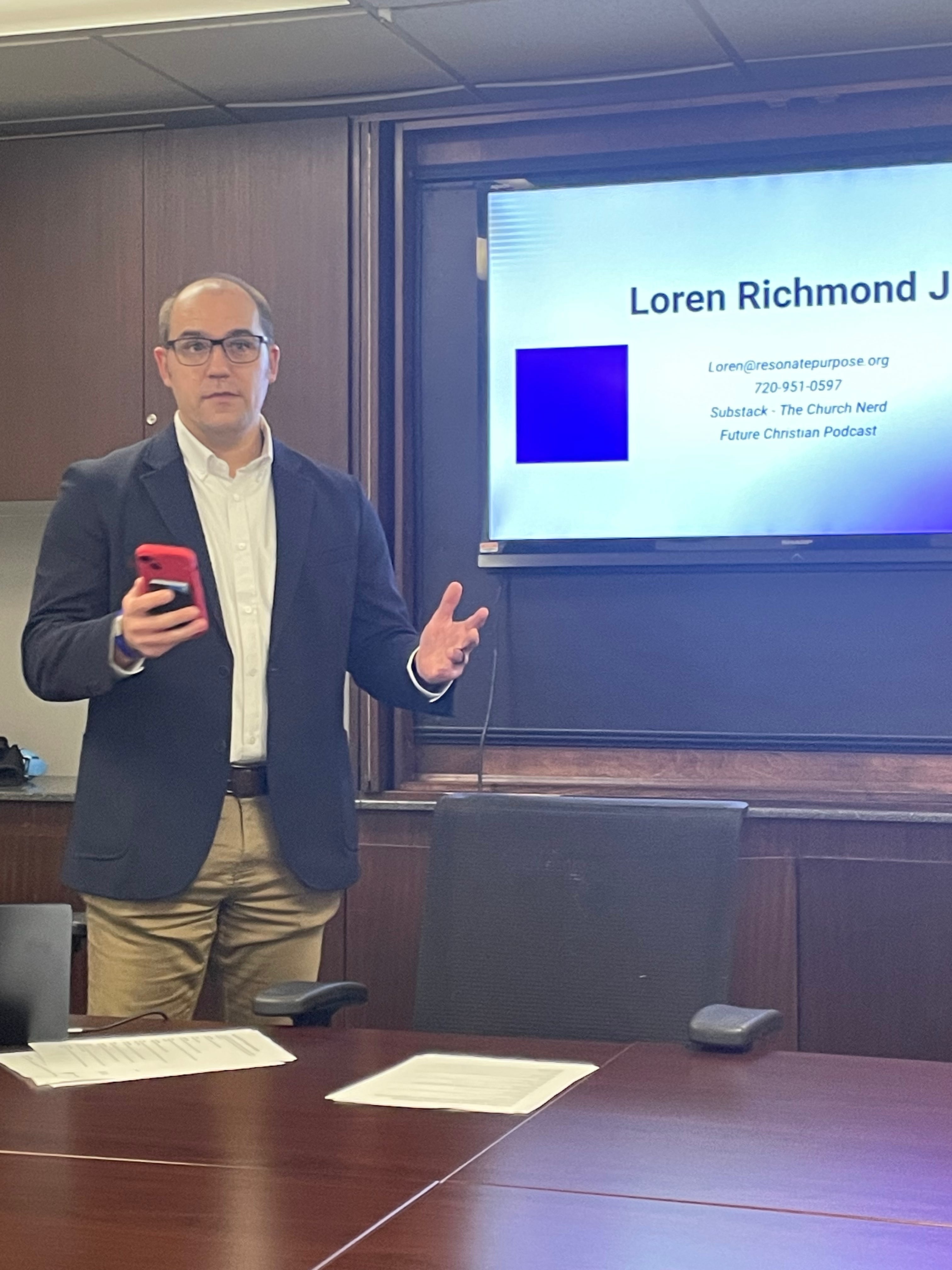
Outside of this Substack, I run Resonate Purpose, where I work with pastors and nonprofit leaders who feel stuck—unclear about their mission, overwhelmed by competing demands, or unsure how to move forward without burning people out.
Much of that work grows directly out of the thinking I do here.
I help leaders:
break free from inherited assumptions
clarify what they’re actually called to do
communicate with integrity and impact
and build structures that support people rather than quietly breaking them
But this Substack isn’t a sales funnel. It’s a thinking space. If the writing helps you name something you’ve been sensing, that’s enough.
If You Stick Around
If you subscribe, you’ll find long-form essays, occasional shorter reflections, and regular engagement with books, podcasts, and conversations shaping the church right now.
You don’t need to agree with everything here.
My hope is simply that this space helps you think more honestly about the church, resist both despair and domination, and recover the courage to imagine something better.
If that sounds worthwhile, I’m glad you’re here.